
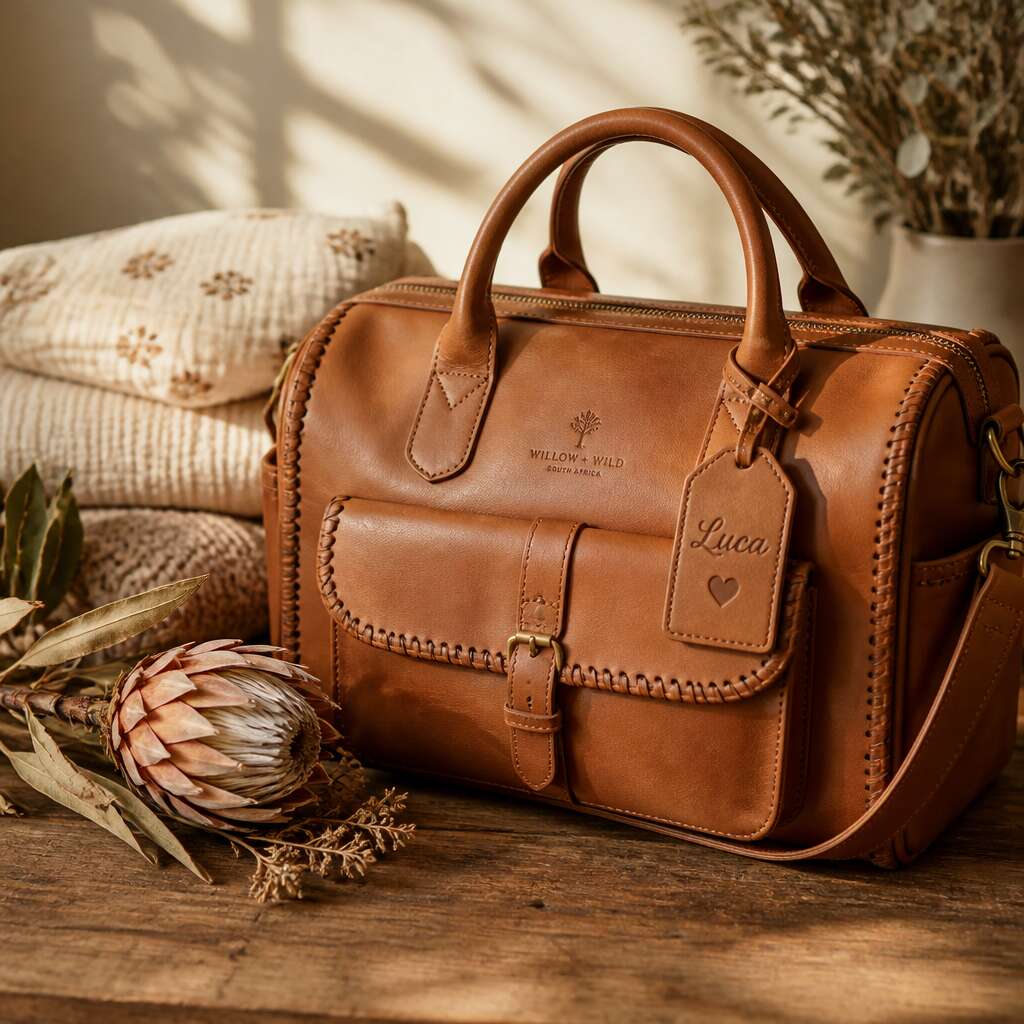
The Allure of Handmade Baby Bags
There is something compelling about a bag made by human hands. It resists the monotony of factory production. I have felt the difference! In the Western Cape, craftspeople work with vegetable tanned leather and handwoven fabric. Each piece requires hours of precise cutting and stitching. You can see the maker’s presence in every seam.
What sets these bags apart?
- Hand stitched handles that endure daily wear
- Natural dyes that age gracefully
- Adjustable straps for growing parents
The allure is not sentimental. It is practical. A bag made slowly simply lasts longer. When you carry one, you carry the skill of a community. That is the value of handcrafted baby bags south africa.
Navigating the Local Market for Artisan Baby Carriers
In Cape Town’s Neighbourgoods Market, artisan carriers sell out before noon. The demand for handcrafted baby bags south africa is fierce, yet finding a genuine maker takes patience. You cannot judge a carrier by fabric alone. A skilled artisan will discuss stitching tension and weight distribution before mentioning price.
When I navigate this local market, I ask direct questions:
- How is the leather sourced?
- Where are the reinforced stress points?
- What maintenance does it require?
The answers separate seasoned craftspersons from resellers. Watch how a vendor handles their own work. That respect shows in the finished piece.
Materials, Textures and Design Features
Every piece of handcrafted baby bags south africa starts with a simple obsession: sourcing leather that feels alive. I have yet to find a factory that replicates the supple give of full grain hide, vegetable tanned over three weeks. The shweshwe cotton linings, printed in the Eastern Cape, add a cultural texture that simply cannot be imported!
Design features separate these bags from ordinary nappy carriers. Consider what matters most:
- Reinforced boxed seams that survive thousands of nappy changes
- Magnetic closures that click shut without waking a sleeping infant
- Adjustable crossbody straps fitted with solid brass hardware
The textures themselves are a study in contrast. Rough, unpolished hide sits against soft brushed cotton. That pairing is deliberate. It means your bag ages gracefully, developing a rich patina that mass produced alternatives rarely match.
Practical Considerations for Daily Use
Carrying a handcrafted baby bag south africa into a British drizzle feels different when the leather has been vegetable tanned. The straps soften with use, and the stitching holds firm against constant rain. I have tested mine through nursery drop-offs and weekend markets, and the patina improves every month.
What makes these bags practical for real mornings?
- Interior pockets sized for a nappy and a packed lunch
- Reinforced bases that stand upright instead of toppling over
- Wipeable lining, because spills happen
The cotton canvas versions need a little more care, but the waxed finishes repel moisture. You will still need a changing mat, but you can stop digging for keys. Handcrafted baby bags south africa offer that rare balance between style and daily endurance.
Caring for and Preserving Your Artisan Investment
Every handcrafted baby bags south africa begins as raw hide and a maker’s intention. The leather will soften and darken with use. That is not damage. That is the material responding to your daily routine.
To preserve your investment, keep the bag out of prolonged direct sunlight. Sweat and rain are the real adversaries. When the leather feels dry, apply a thin layer of neutral balm and buff with a soft cloth.
The habits I follow are simple:
- Wipe spills immediately with a damp cloth.
- Store the bag upright, stuffed with tissue paper.
- Avoid hanging it by the straps for long periods.
These small rituals keep the stitching sound and the hide supple. In the end, caring for handcrafted baby bags south africa means respecting the material as much as the maker did.

0 Comments